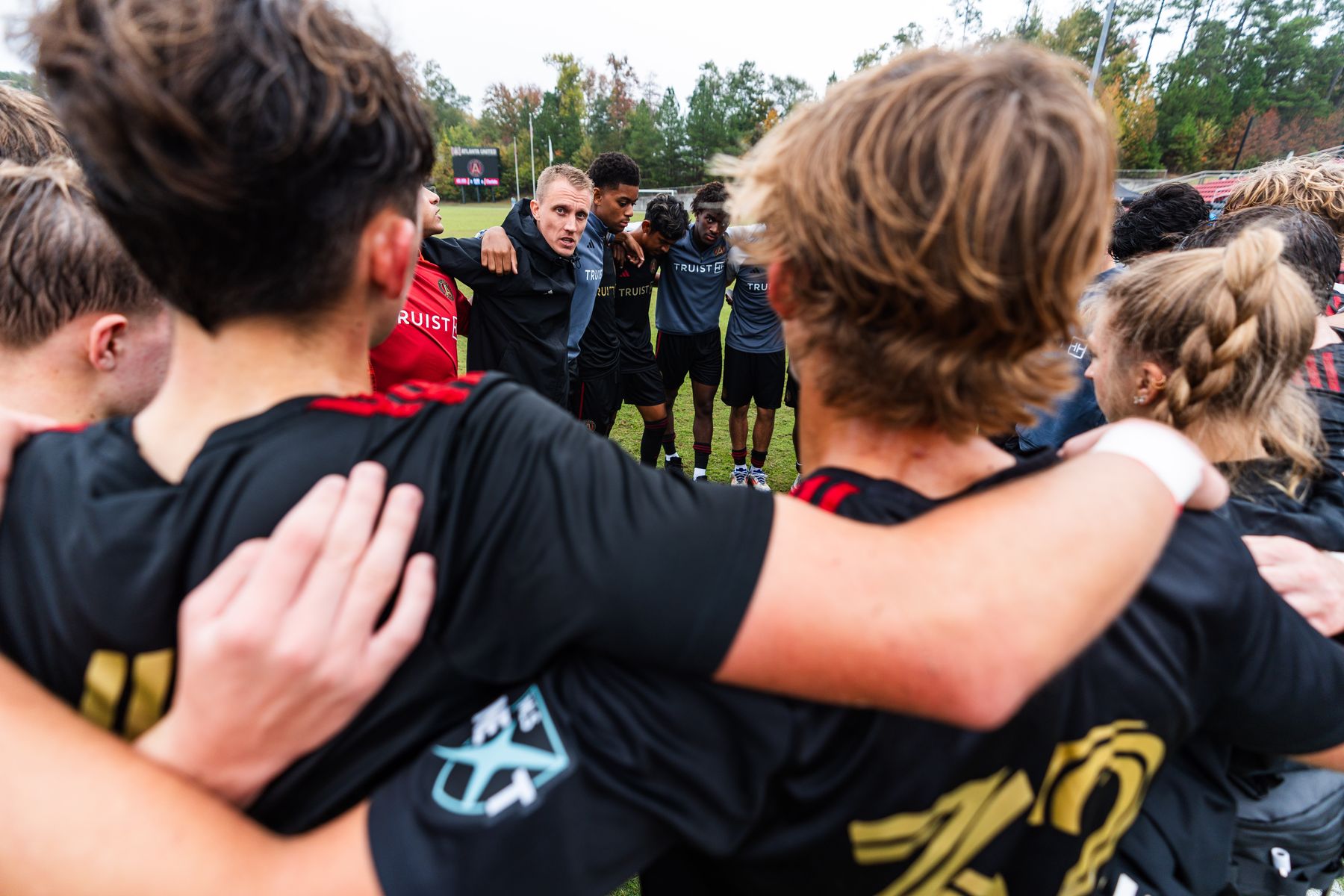
Watch him on the training pitch and nothing looks spectacular. No grand gestures, no loud staging. And yet that is exactly what is telling. For him, the heart of coaching lies not in the one moment that sticks, but in daily repetition – in consistent work on details that only unfold over time.
Since August 2024, he has been the U19 coach at Atlanta United. A role that suits his profile: working with players in the transition to the professional game. Exactly where talent alone is no longer enough, and personality, attitude, and resilience decide the next step.
“I like working on the little things,” he says. “Organizing them and improving them, to make the big picture better step by step – that’s what I love.”
Why being a coach was never a late decision for him
He became a coach early. At 17, at his home club VfB Peine. No grand plan, more a natural process. First U10, then U12, later up to U17. Over the years, he coached every youth team at the club.
In hindsight, it was less a classic career path than a school of everyday life: different age groups, different needs, ever-new social constellations. That time shaped his understanding of development for good. Not as a linear process, but as something fragile that needs attention, patience, and structure.
The idea that players develop “on their own” was never realistic to him.
Seven years in a youth academy – and what remains
In 2016, he moved to the youth academy of Hannover 96. Until 2023, he worked there in various coaching roles, most recently as head coach of the U17s. Those years were formative – less because of individual successes than because of the variety of perspectives an academy offers.
He learned how a philosophy emerges and how hard it is to live it day to day. He worked as head coach and assistant coach, experienced school-based training, structural constraints, and the special conditions of the COVID period. Different age groups, different roles, different expectations – all of it sharpened his eye for connections.
Above all, he learned not to defend convictions just because they were once right.
“Many things you believe in at the start become outdated,” he says. “If you find a better approach or a better argument, the old one has to be dropped immediately.”
That attitude has stayed.
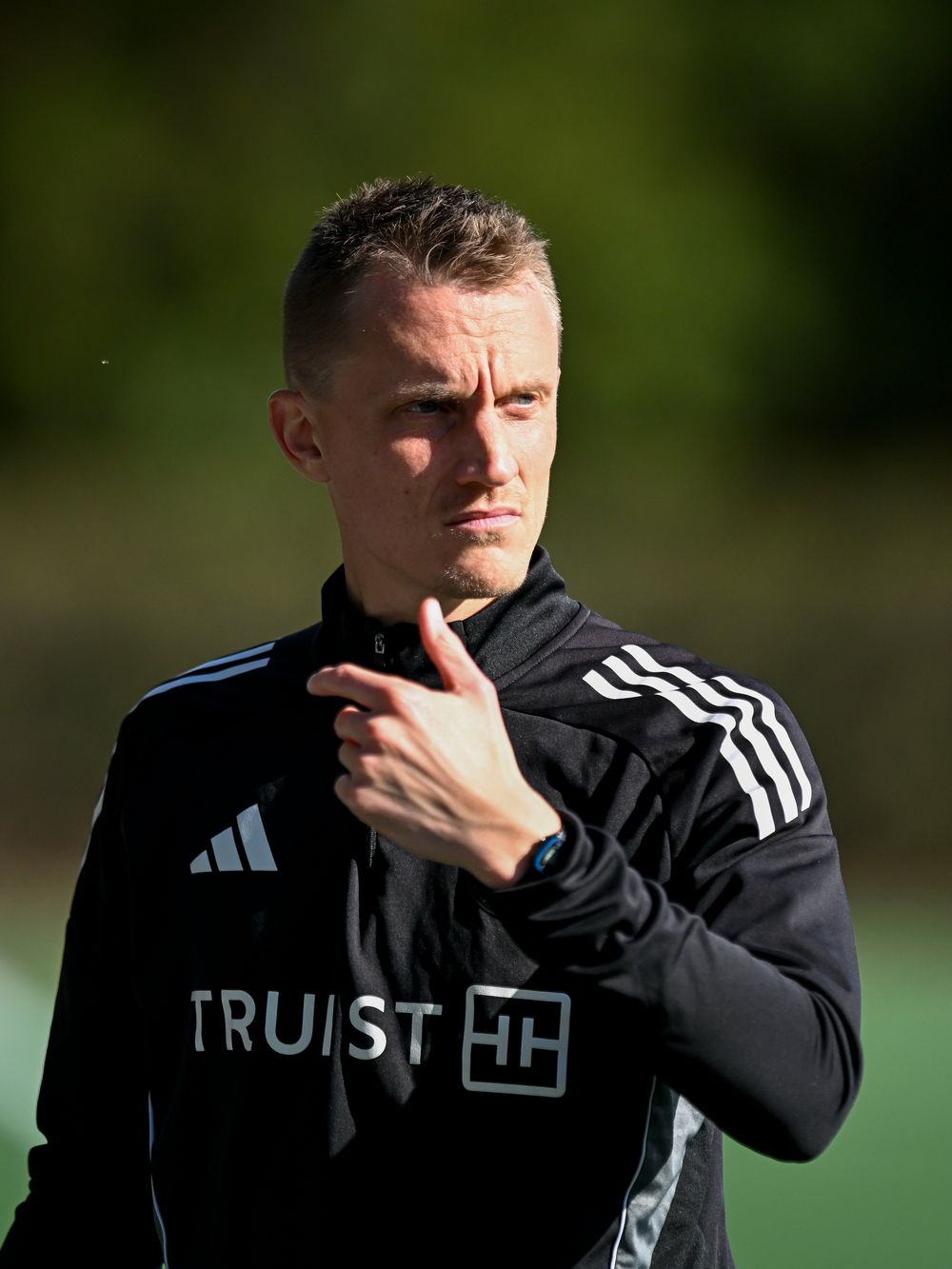 @Atlanta United
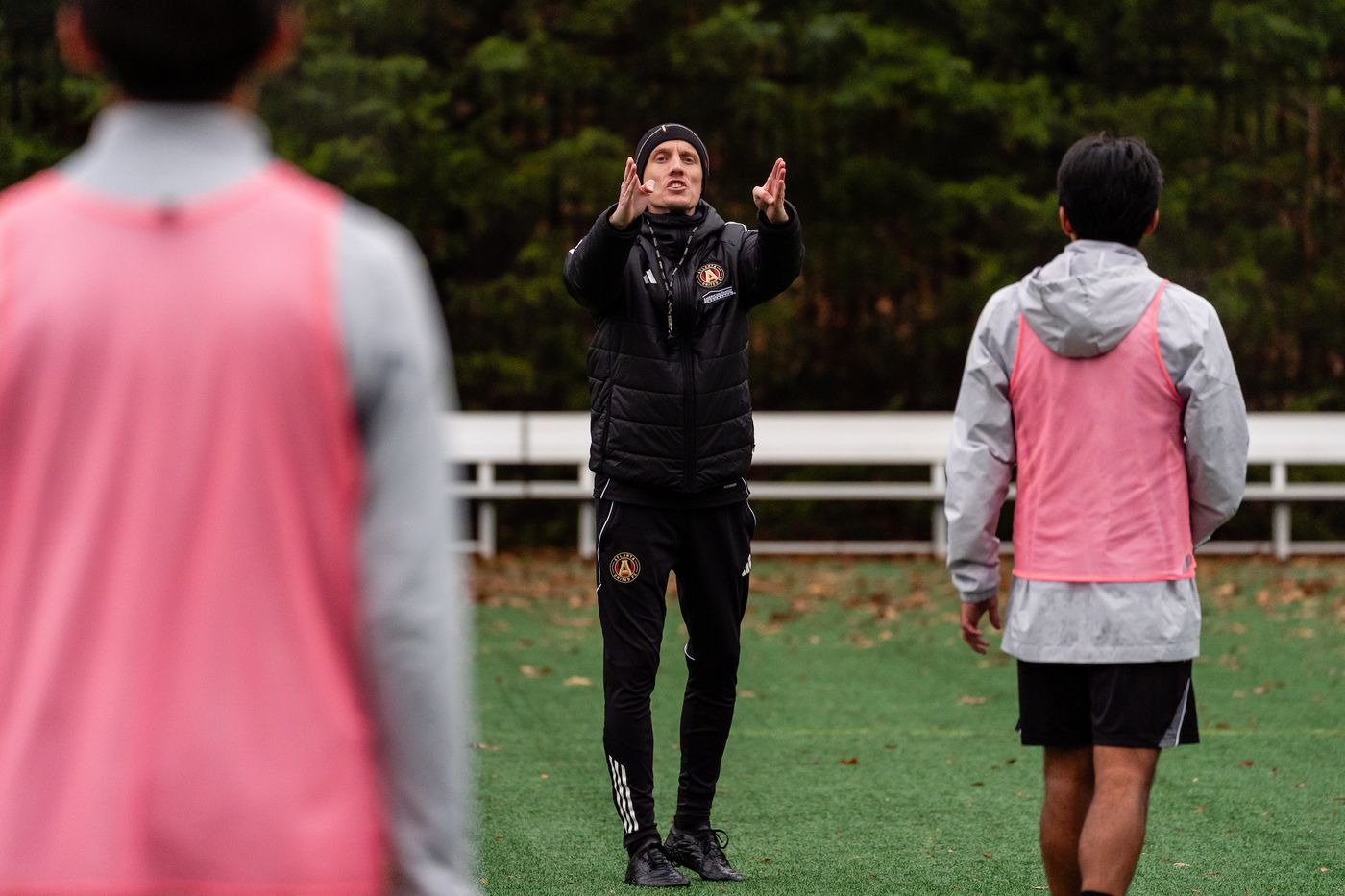 @Atlanta United
Why talent is not the deciding factor for him
At the center of his work is a clear conviction: personality matters more than footballing talent. Not as a platitude, but as a daily yardstick.
He sees himself less as a pure technical coach and more as someone who shapes culture – in the team as well as on the staff. For him, performance does not come from individual measures, but from an environment that enables and demands development.
His approach is deliberately unspectacular: rather get one percent better in many areas than put everything on a single focus. At the same time, he is a tinkerer. He develops new training formats, tries things out, adjusts. Much of it stays invisible. It produces no quick highlights, but it creates substance – and resilient relationships with players, the team, and the staff.
Closeness, clarity, and the matter of fairness
In daily work, one point matters especially to him: fairness. Players must feel that selection and lineup decisions are understandable. That performance counts.
“That’s the foundation,” he says. “Even if perceptions can differ – the player has to be convinced that he can earn his place in the team through performance.”
He aptly describes his leadership style as “tough love.” Development always comes first. That includes closeness, but also clarity. And sometimes hard truths. He believes in the potential of every individual – which is exactly why he doesn’t shy away from uncomfortable conversations.
The moments you don’t hold on to
Ask him for an anecdote and he deflects. Not out of unwillingness, but out of conviction. It is not the big stories that drive him.
It is the small moments: a training session where everything clicks. A locker room situation that feels right. A game in which you sense that team and idea come together. Those moments rarely last long.
You enjoy it, he says, “for a fraction.” Then the journey begins again. That fits his understanding of coaching: nothing is final, everything remains a process.
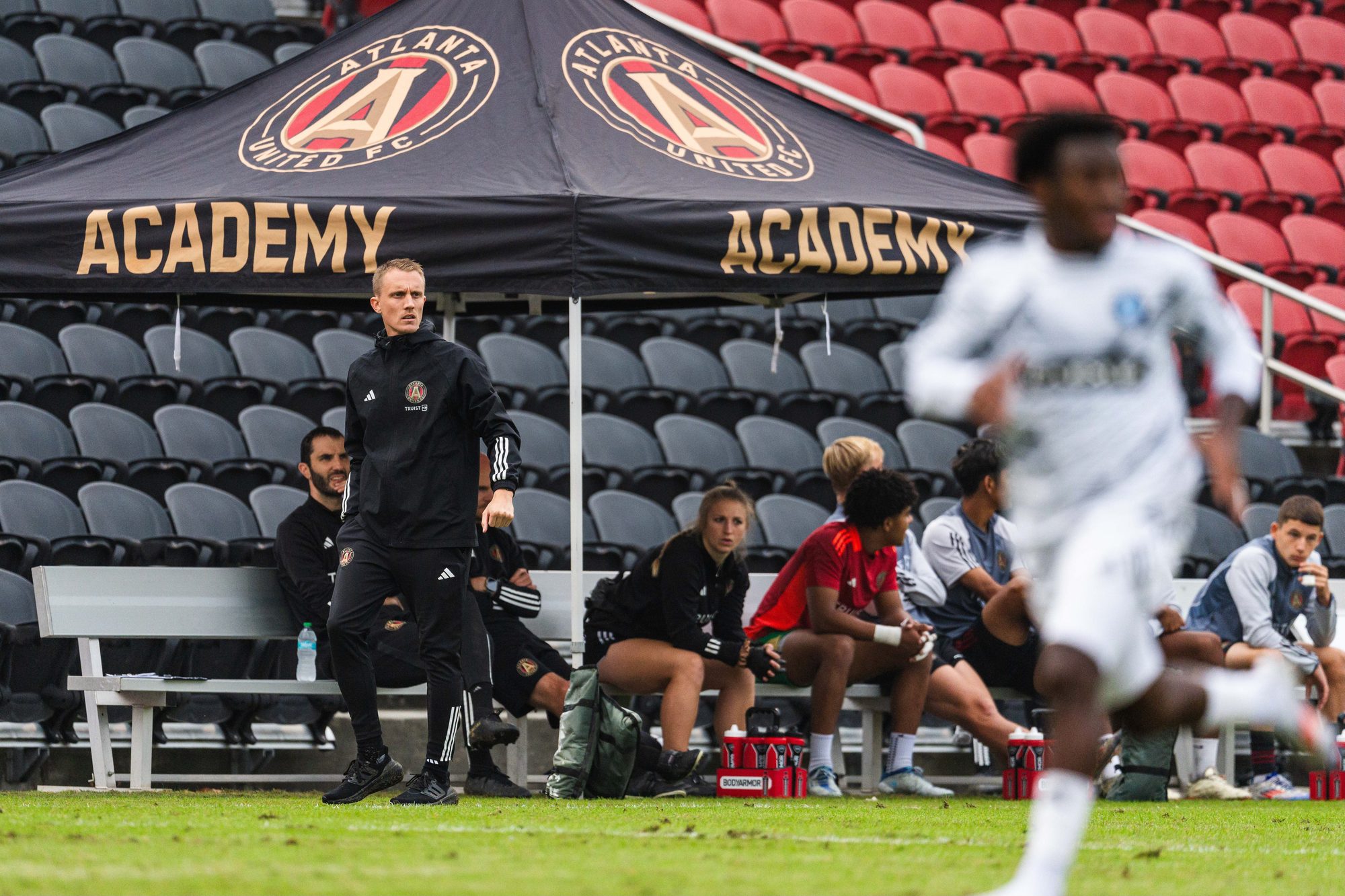 @Atlanta United
For him, development without the will to win is not development
He does not believe in a contradiction between development and competition. For him, the two belong together – as long as the priorities are clear.
Even in player development, he expects an absolute will to win games. If it is missing, he becomes direct. Anger about a lack of will to win is something he knows. Anger about a single result, less so.
In the professional game, the weightings shift. There, the focus is more on the next match. Both intrigue him.
What matters to him is that football is always about achieving something – not about avoiding something.